
The role of media in the protection of marginalised communities during the 2027 elections
The role of media in the protection of marginalised communities during the 2027 Elections
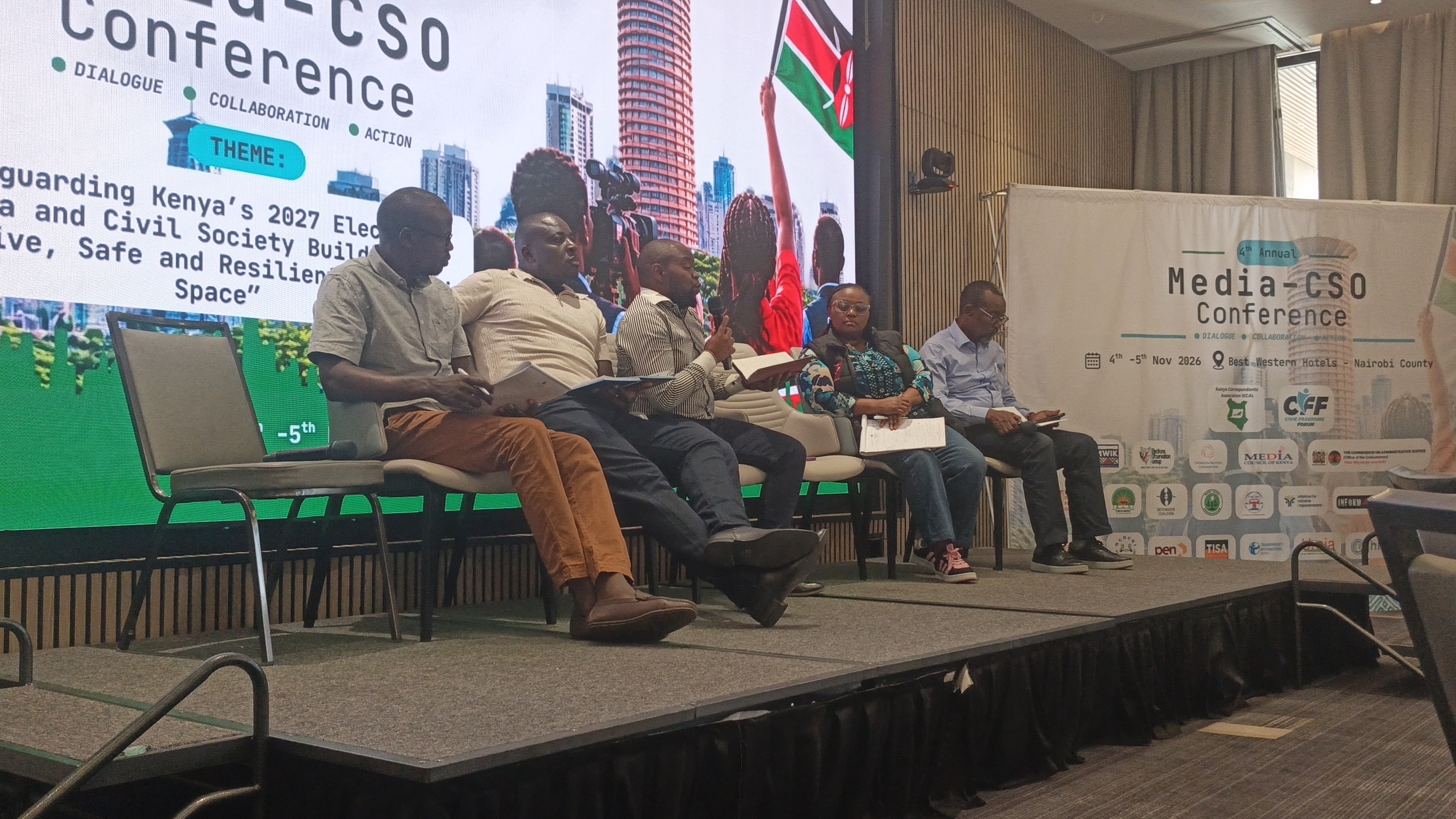
Nairobi, Kenya - With Kenya’s 2027 General Elections approaching, civil society organisations, experienced media personalities and human rights advocates gathered in Nairobi to tackle misinformation and protect civic engagement. At the 4th Annual Media-CSO Conference, participants including the Centre for Minority Rights Development (CEMIRIDE) sought to develop a strategy to safeguard civic engagement and empower marginalised communities. The gathering highlighted the need for greater inclusion of these communities and a concerted effort to protect democratic values as civic space shrinks.
Inclusive language in Kenya’s electoral process
Delegates and minority rights advocates called for clear, accessible language in election information and civic education. They warned that complex legal terminology can undermine democracy by making it harder for marginalised communities to understand and participate. People in ASAL counties and isolated indigenous communities need information in language that enables them to feel included in the democratic process.
Participants stressed that understandable election information is essential to protecting democratic rights. Article 56 of the Constitution of Kenya, 2010, requires the State to undertake affirmative action programmes to ensure minority and marginalised communities participate and are represented in governance and other spheres of life.
For minority and indigenous communities, participation in the electoral cycle is about more than political representation: it also affects socioeconomic sustainability. Their rights to land and food are shaped by the political direction and the policy and legal frameworks adopted by government. Effective implementation of Article 63, which concerns these communities’ land rights, and other relevant right to food provisions, therefore, depends on their ability to participate meaningfully in political processes such as elections. This participation is also critical to political stability and reducing conflict in ASAL areas.
Further, Article 13 of the UN Declaration on the Rights of Indigenous Peoples (UNDRIP) recognises indigenous peoples’ right to promote, use, develop and transmit their language and culture to future generations. It also places responsibility on States to ensure that these communities can understand and be understood in political, legal and administrative processes. Translating information into local languages helps minority and indigenous communities across the country feel included and engage effectively in elections.
Supporting journalists and human rights defenders
Delegates also discussed how to protect those who report on the democratic process. They called for early warning systems, legal protection and safety networks for grassroots human rights defenders and local journalists, developed in partnership with civil society organisations.
With AI and deepfakes becoming part of the media landscape, panelists urged newsrooms to work with relevant CSOs to strengthen community media literacy. They also called for emerging journalists to receive training in fact-checking and digital security, alongside safety-focused mentorship, to help protect them from political manipulation.
A shared commitment to inclusive elections
The 4th Annual Media-CSO Conference concluded with media outlets and civil society organisations committing to monitor elections, protect communities and ensure marginalised voices are heard.
Drawing on Kenya’s constitutional values and international human rights principles, organisations such as CEMIRIDE emphasised that democracy must be protected for all citizens. Everyone should be able to participate confidently, safely and proudly, regardless of their language, region or culture.